Tesla warranty coverage depends on the vehicle, delivery date, mileage, market, and the cause of the failure. A part is not automatically covered just because it appears in the car, and it is not automatically excluded because an advisor calls it wear.
Start with the warranty document delivered with the vehicle. Tesla's current support page is a helpful summary, but Tesla says the document for the specific vehicle is authoritative.
Basic Vehicle Warranty
Tesla currently lists a Basic Vehicle Limited Warranty of four years or 50,000 miles, whichever comes first. It covers defects that fall within the warranty terms. Normal wear, misuse, accidents, improper maintenance, unauthorized modifications, and damage caused by outside parts or repairs may be excluded.
That means the diagnosis and cause matter. A worn tire is different from a defective electronic controller. A suspension complaint may be a covered defect, impact damage, or normal deterioration depending on the evidence.
Battery and Drive-Unit Warranty
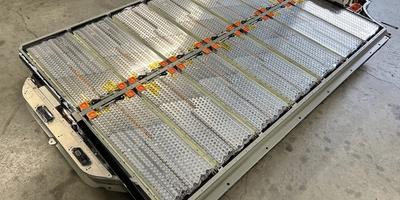
The high-voltage battery and drive unit have separate coverage. Current U.S. terms vary by model and configuration:
- Model S and Model X: eight years or 150,000 miles.
- Several Model 3 and Model Y rear-wheel-drive or all-wheel-drive configurations: eight years or 100,000 miles.
- Current premium and performance Model 3 and Model Y configurations listed by Tesla: eight years or 120,000 miles.
Tesla's current summary includes a minimum 70 percent battery-capacity retention term during the applicable period. Older vehicles and differently named trims may have different mileage limits, so check the vehicle's own warranty rather than matching it by memory.
Displayed range is not the same as measured battery capacity. On supported vehicles, an available SOH reading can provide a useful current estimate. A fresh Battery Health Test is the more accurate process because it recalibrates the estimate through a controlled discharge-and-charge cycle and can take up to 24 hours.
Independent Service and the Warranty
Using an independent shop does not, by itself, void an entire U.S. consumer warranty. Federal anti-tying rules generally prevent a manufacturer from requiring paid branded parts or service to keep coverage in force. The manufacturer may still deny coverage for damage caused by an improper repair, modification, or outside part.
Tesla states that covered warranty work must be performed at a Tesla Service Center. An independent diagnosis can document a symptom, but it does not approve a Tesla warranty claim.
If a Claim Is Denied
Ask for the diagnosis, the warranty provision, and the reason for denial in writing. Compare that reason with the warranty issued for the vehicle. Keep the repair estimate, alerts, photographs, maintenance records, and messages.
If the explanation appears inconsistent with the written terms, ask Tesla to review it through its service escalation process. California owners should also read the current notice procedure on Tesla's warranty page if they are seeking a statutory repurchase or replacement remedy.
Avoid telling readers that a specific part "is covered" without knowing the cause and vehicle terms. A better sentence is: "This may be covered if Tesla confirms a defect within the applicable time and mileage limits and no exclusion applies."
This article provides general consumer information, not legal advice.
References & Further Reading
External resources related to this post. We link directly — no paywalls, no affiliate links.
Tesla official